

Heat exchangers are crucial components in various industrial processes, playing a vital role in transferring heat between two or more fluids. Among the many parts that make up a heat exchanger, baffles are often overlooked but are of significant importance. As a supplier of Heat Exchanger Baffles, I am well - versed in the functions and benefits of these components. In this blog, I will delve into the various functions of heat exchanger baffles.
1. Enhancing Heat Transfer Efficiency
One of the primary functions of heat exchanger baffles is to improve the heat transfer efficiency. In a shell - and - tube heat exchanger, for example, the baffles force the shell - side fluid to flow in a more turbulent manner. When the fluid flows across the tubes, the baffles disrupt the laminar flow and create eddies and vortices. This turbulent flow increases the contact between the shell - side fluid and the tube surface, allowing for more efficient heat transfer.
The baffles also direct the shell - side fluid to flow in a zig - zag pattern across the tubes. This extended flow path ensures that the fluid spends more time in contact with the tubes, maximizing the heat transfer area. As a result, the overall heat transfer coefficient of the heat exchanger is increased, leading to better performance and energy savings.
2. Supporting the Tubes
Heat exchanger tubes are often long and slender, and they need proper support to prevent sagging and vibration. Baffles act as structural supports for the tubes. They are typically perforated plates that are placed at regular intervals along the length of the tube bundle. The tubes pass through the holes in the baffles, which hold them in place and maintain the correct spacing between the tubes.
This support is essential for the long - term integrity of the heat exchanger. Without proper support, the tubes may vibrate due to the fluid flow, which can lead to tube failure over time. The baffles help to dampen these vibrations and ensure that the tubes remain in their intended position, reducing the risk of damage and leakage.
3. Controlling Fluid Flow Distribution
Baffles play a crucial role in controlling the distribution of the shell - side fluid. In a heat exchanger, it is important to ensure that the fluid is evenly distributed across the tube bundle. Uneven fluid distribution can lead to hot spots and reduced heat transfer efficiency.
The design and arrangement of the baffles can be adjusted to achieve the desired fluid flow distribution. For example, segmental baffles can be used to direct the fluid towards the outer regions of the tube bundle, ensuring that all tubes receive an adequate amount of fluid. This helps to optimize the heat transfer process and improve the overall performance of the heat exchanger.
4. Preventing Short - Circuiting
Short - circuiting occurs when the shell - side fluid bypasses the tube bundle and flows directly from the inlet to the outlet without interacting with the tubes. This can significantly reduce the heat transfer efficiency of the heat exchanger. Baffles are designed to prevent short - circuiting by creating a tortuous path for the fluid.
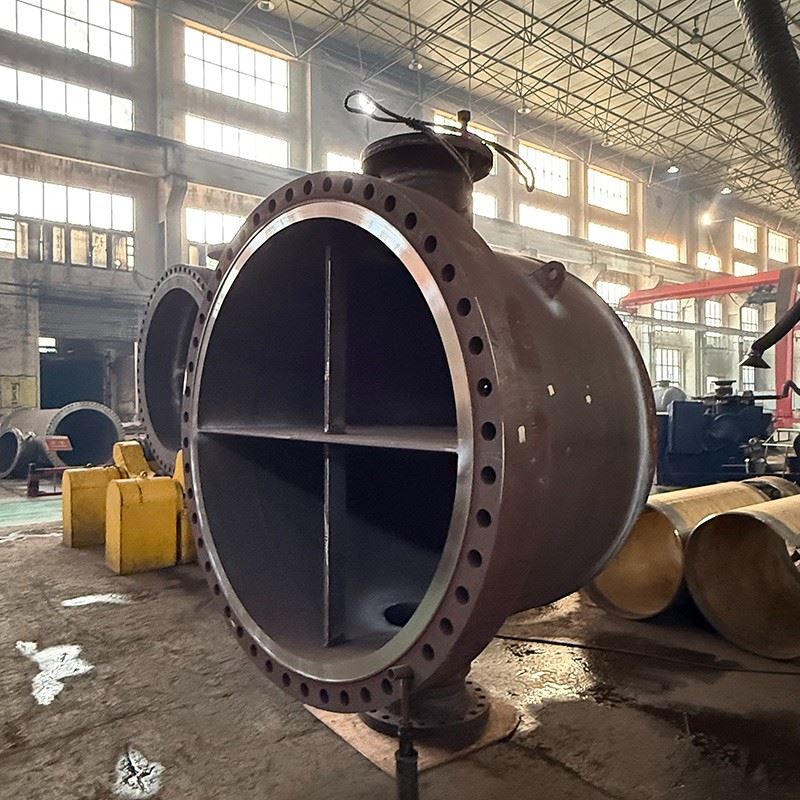

The baffles force the fluid to flow through the tube bundle, ensuring that it comes into contact with the tubes and transfers heat effectively. By preventing short - circuiting, the baffles help to maintain the desired temperature difference between the hot and cold fluids, which is essential for efficient heat transfer.
5. Improving Mechanical Integrity
In addition to supporting the tubes, baffles also contribute to the overall mechanical integrity of the heat exchanger. They help to distribute the pressure and stress within the shell. When the fluid flows through the heat exchanger, it exerts pressure on the tubes and the shell. The baffles act as reinforcement, helping to withstand these forces and prevent deformation or damage to the heat exchanger.
The baffles also help to protect the tubes from erosion and corrosion. By directing the fluid flow in a controlled manner, they reduce the impact of the fluid on the tube surface, minimizing the risk of erosion. Additionally, the baffles can be made from materials that are resistant to corrosion, further enhancing the durability of the heat exchanger.
6. Facilitating Maintenance and Inspection
Baffles can also make the maintenance and inspection of the heat exchanger easier. They are typically removable, which allows for easy access to the tube bundle. When it is necessary to clean or replace the tubes, the baffles can be removed, providing a clear path for the maintenance crew.
During inspection, the baffles can be examined for signs of damage or wear. If any issues are detected, the baffles can be repaired or replaced, ensuring the continued operation of the heat exchanger.
Applications in Different Industries
Heat exchanger baffles are used in a wide range of industries, including chemical, petrochemical, power generation, and food processing. In the chemical industry, heat exchangers are used to cool or heat chemical reactions, and baffles are essential for ensuring efficient heat transfer. In the power generation industry, heat exchangers are used to transfer heat from the steam to the cooling water, and baffles help to improve the performance of these heat exchangers.
In the food processing industry, heat exchangers are used for pasteurization and sterilization processes. Baffles ensure that the food products are heated or cooled evenly, maintaining the quality and safety of the products.
Our Product Offerings
As a supplier of Heat Exchanger Baffles, we offer a wide range of baffles to meet the diverse needs of our customers. Our baffles are made from high - quality materials, such as stainless steel, carbon steel, and titanium, to ensure durability and corrosion resistance.
We also offer custom - designed baffles to fit specific heat exchanger requirements. Our experienced engineers can work with you to design the optimal baffle configuration for your heat exchanger, taking into account factors such as fluid flow rate, temperature, and pressure.
In addition to baffles, we also supply other heat exchanger parts, such as Heat Exchanger Channel Head, Floating Head Assembly for Heat Exchanger, Shell and Tube Heat Exchanger Tube Bundle Assembly, and Heat Exchanger Tube Sheet Plate. This allows us to provide a comprehensive solution for your heat exchanger needs.
Contact Us for Procurement
If you are in the market for high - quality heat exchanger baffles or other heat exchanger parts, we encourage you to contact us for procurement. Our team of experts is ready to assist you in selecting the right products for your application and providing you with competitive pricing and excellent customer service. Whether you are a small - scale manufacturer or a large industrial company, we can meet your heat exchanger part requirements.
References
- Shah, R. K., & Sekulic, D. P. (2003). Fundamentals of Heat Exchanger Design. John Wiley & Sons.
- Incropera, F. P., & DeWitt, D. P. (2002). Introduction to Heat Transfer. John Wiley & Sons.
- Green, D. W., & Perry, R. H. (2007). Perry's Chemical Engineers' Handbook. McGraw - Hill.