

Hey everyone! As a supplier of Fuel Storage Tanks, I've seen firsthand how crucial proper ventilation is for these tanks. In this blog post, I'm going to break down what proper ventilation for a fuel storage tank really means, why it's so important, and how you can make sure your tank has the right ventilation setup.
Why Ventilation is a Big Deal
First off, let's talk about why ventilation is such a big deal for fuel storage tanks. Fuel, whether it's gasoline, diesel, or something else, can release vapors. These vapors are not only flammable but can also be harmful to your health if inhaled. Without proper ventilation, these vapors can build up inside the tank and create a dangerous situation.
Imagine a scenario where there's a spark near a tank with a high concentration of fuel vapors. It could lead to an explosion or a fire, which is obviously a huge risk. Plus, the pressure inside the tank can change as fuel is added or removed. Without ventilation, this pressure change can cause the tank to deform or even rupture. So, proper ventilation helps maintain a safe pressure level inside the tank and keeps those flammable vapors in check.
How Ventilation Works
So, how does ventilation work in a fuel storage tank? Well, it's all about allowing air to flow in and out of the tank. There are different types of ventilation systems, but the basic idea is to provide a way for the vapors to escape and for fresh air to enter.
One common type of ventilation is the vent pipe. This is a simple pipe that extends from the top of the tank to the outside. The vent pipe allows the vapors to rise up and disperse into the atmosphere. It also lets air in when the fuel level in the tank goes down, preventing a vacuum from forming inside the tank.
Another type is the pressure-vacuum (P/V) vent. This is a more advanced type of vent that automatically opens and closes depending on the pressure inside the tank. When the pressure inside the tank gets too high, the vent opens to release the excess pressure. When the pressure drops too low, it opens to let air in. This helps maintain a stable pressure inside the tank and reduces the risk of damage.
Factors to Consider for Proper Ventilation
Now that we know why ventilation is important and how it works, let's talk about the factors you need to consider when setting up ventilation for a fuel storage tank.
Tank Size
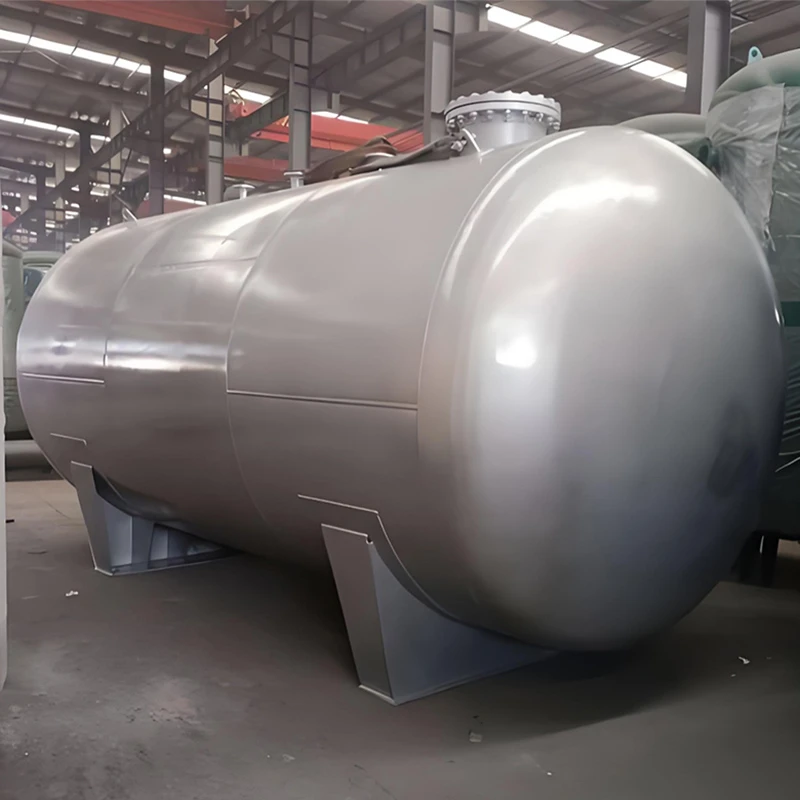
The size of the tank is a big factor. Larger tanks require more ventilation because they can hold more fuel and produce more vapors. You'll need to make sure the vent size is appropriate for the tank volume. A small vent on a large tank won't be able to handle the amount of vapors being produced, and a large vent on a small tank can let in too much air and cause the fuel to evaporate more quickly.

Fuel Type
Different fuels have different vapor pressures and evaporation rates. For example, gasoline has a higher vapor pressure than diesel, which means it produces more vapors at the same temperature. So, if you're storing gasoline, you'll need a more efficient ventilation system than if you're storing diesel.
Location
The location of the tank also matters. If the tank is in a confined space, like a basement or a shed, it will need better ventilation because the vapors won't be able to disperse as easily. You might need to install additional vents or a ventilation fan to ensure proper air circulation.
Environmental Conditions
The temperature and humidity can also affect the ventilation requirements. In hot and humid conditions, the fuel will evaporate more quickly, so you'll need to make sure the ventilation system can handle the increased vapors.
Types of Fuel Storage Tanks and Their Ventilation Needs
At our company, we supply a variety of fuel storage tanks, each with its own ventilation requirements.
Surge Tank
Surge tanks are designed to handle sudden changes in fluid flow. They're often used in fuel systems to protect pumps and other equipment from pressure spikes. These tanks usually have a vent to prevent pressure buildup during normal operation and to allow air to enter when the fluid level drops.
Air Storage Tank
Air storage tanks are used to store compressed air. While they're not strictly fuel storage tanks, they still require proper ventilation to prevent the buildup of moisture and to maintain a safe pressure level. The vent on an air storage tank helps release any excess pressure and allows fresh air to enter when the tank is being emptied.
Steel Storage Tank
Steel storage tanks are a popular choice for storing fuel because they're strong and durable. They need proper ventilation to prevent corrosion and to keep the fuel in good condition. The ventilation system for a steel storage tank should be designed to prevent the entry of moisture and to allow the escape of vapors.
Carbon Steel Storage Tank
Carbon steel storage tanks are similar to steel storage tanks but are made from a specific type of steel that contains carbon. They also require proper ventilation to prevent rust and to maintain the integrity of the tank. The ventilation system should be able to handle the vapors produced by the fuel and prevent the buildup of pressure.
Water Storage Tank
While water storage tanks don't store fuel, they can still benefit from proper ventilation. Ventilation helps prevent the growth of bacteria and algae by allowing fresh air to circulate inside the tank. It also helps maintain a stable water temperature and reduces the risk of water damage to the tank.
Tips for Maintaining Proper Ventilation
Once you've set up the ventilation system for your fuel storage tank, it's important to maintain it properly. Here are some tips:
- Regular Inspections: Check the vent pipes and P/V vents regularly for any signs of damage or blockage. Make sure the vents are clear of debris, such as leaves or dirt, that could prevent proper airflow.
- Cleaning: Clean the vents periodically to remove any buildup of dirt, dust, or fuel residue. This will ensure that the vents are functioning properly and that the vapors can escape easily.
- Repairs: If you notice any damage to the ventilation system, such as a leak or a broken vent, repair it immediately. A damaged ventilation system can lead to a dangerous situation, so it's important to address any issues as soon as possible.
- Monitoring: Keep an eye on the pressure inside the tank and the temperature and humidity in the surrounding area. If you notice any significant changes, it could be a sign that the ventilation system needs to be adjusted or repaired.
Conclusion
Proper ventilation is essential for the safe and efficient operation of a fuel storage tank. It helps prevent the buildup of flammable vapors, maintains a stable pressure inside the tank, and protects the tank from damage. By considering factors such as tank size, fuel type, location, and environmental conditions, and by following the tips for maintaining proper ventilation, you can ensure that your fuel storage tank is functioning properly and safely.
If you're in the market for a fuel storage tank or need help with ventilation setup and maintenance, don't hesitate to reach out. We're here to help you find the right solution for your needs.
References
- API Standard 2000: Venting Atmospheric and Low-Pressure Storage Tanks
- NFPA 30: Flammable and Combustible Liquids Code
- OSHA Regulations for Hazardous Chemicals Storage