

Hey there! As a supplier of floating head heat exchangers, I'm often asked about the different components and their functions. One critical part that people frequently inquire about is the gaskets. So, let's dive into the world of gaskets and explore their role in floating head heat exchangers.
What Are Floating Head Heat Exchangers, Anyway?
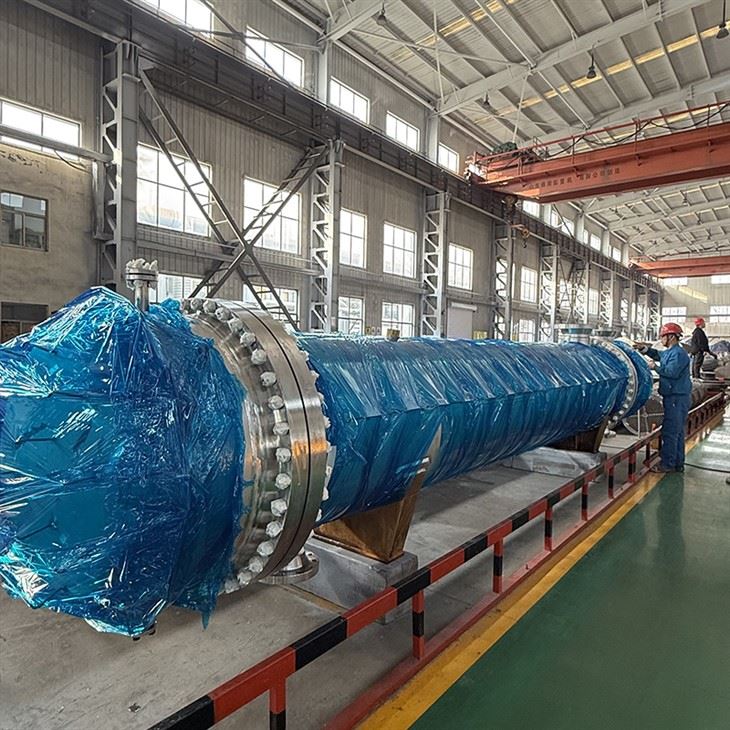
Before we get into the gaskets, let's briefly touch on what floating head heat exchangers are. They're a type of shell-and-tube heat exchanger that allows for thermal expansion of the tubes. This design is super useful in applications where there's a significant difference in temperature between the shell-side and tube-side fluids. It helps prevent damage to the heat exchanger due to thermal stress.
We offer a variety of floating head heat exchangers, like the Corrosion Resistant Floating Head Exchanger, Slurry Oil Steam Generator, Helical Baffle Heat Exchanger, Nickel Alloy Float Exchanger, and Cr - Mo Float Head Exchanger. Each one is designed to meet specific industrial needs.
The Lowdown on Gaskets in Floating Head Heat Exchangers
Sealing Function
The primary function of gaskets in floating head heat exchangers is to create a tight seal. These heat exchangers have multiple chambers where different fluids flow - one through the tubes and the other through the shell. Gaskets are used at various joints, such as between the tube sheets and the shell, and around the floating head cover.
A proper seal is crucial because it prevents the mixing of the two fluids. If the fluids were to mix, it could lead to all sorts of problems. For example, in a chemical processing plant, the mixing of incompatible chemicals could cause dangerous reactions. In a power generation facility, it could reduce the efficiency of the heat transfer process and potentially damage the equipment.
Pressure Containment
Another important role of gaskets is to contain the pressure within the heat exchanger. The fluids flowing through the tubes and the shell are often under high pressure. Gaskets need to withstand this pressure to ensure that there are no leaks.
If a gasket fails to contain the pressure, it can result in a loss of fluid, which not only affects the performance of the heat exchanger but can also be a safety hazard. For instance, in an oil refinery, a high - pressure oil leak could lead to a fire or an explosion.
Thermal Insulation
Gaskets also provide a certain degree of thermal insulation. They help to reduce the heat transfer between the different parts of the heat exchanger and the surrounding environment. This is especially important in applications where maintaining a specific temperature is critical.
For example, in a cryogenic process, gaskets can prevent heat from entering the system, which could otherwise cause the cryogenic fluid to vaporize prematurely. On the other hand, in a high - temperature process, gaskets can prevent heat loss, improving the overall efficiency of the heat exchanger.
Vibration Damping
Floating head heat exchangers can experience vibrations due to the flow of fluids and the operation of the equipment. Gaskets can act as vibration dampers, reducing the impact of these vibrations on the heat exchanger components.
Excessive vibrations can lead to fatigue failure of the tubes, tube sheets, and other parts of the heat exchanger. By damping the vibrations, gaskets help to extend the lifespan of the heat exchanger and reduce the need for frequent maintenance.
Types of Gaskets Used in Floating Head Heat Exchangers
Metallic Gaskets
Metallic gaskets are commonly used in applications where high pressure and temperature are involved. They're made from materials like stainless steel, copper, and aluminum. These gaskets are very durable and can withstand harsh conditions.
However, metallic gaskets require a significant amount of bolt load to create a proper seal. This means that the flange connections need to be strong enough to handle the tightening force.
Non - Metallic Gaskets
Non - metallic gaskets, such as those made from rubber, graphite, or PTFE, are more flexible than metallic gaskets. They're often used in applications where the pressure and temperature are relatively low.
Non - metallic gaskets are easier to install and can conform to the surface irregularities of the flange. They also provide good sealing performance, but they may not be as durable as metallic gaskets in extreme conditions.
Composite Gaskets
Composite gaskets combine the advantages of both metallic and non - metallic materials. They usually have a metallic core with a non - metallic coating. This type of gasket offers high strength and good sealing properties, making it suitable for a wide range of applications.

Factors Affecting Gasket Performance
Temperature
The temperature of the fluids and the operating environment can have a significant impact on gasket performance. High temperatures can cause the gasket material to degrade, lose its elasticity, and eventually fail. On the other hand, low temperatures can make the gasket brittle, reducing its sealing ability.
Pressure
As mentioned earlier, pressure is a critical factor. Gaskets need to be able to withstand the pressure exerted by the fluids without leaking. Higher pressures require gaskets with better sealing and strength properties.
Fluid Compatibility
The gasket material must be compatible with the fluids flowing through the heat exchanger. Chemical reactions between the gasket and the fluid can cause corrosion, swelling, or degradation of the gasket, leading to leaks.
Flange Surface Condition
The surface condition of the flanges where the gaskets are installed is also important. Rough or damaged flange surfaces can prevent the gasket from creating a proper seal. It's essential to ensure that the flange surfaces are smooth and free of any defects.
Maintaining Gaskets in Floating Head Heat Exchangers
Regular inspection and maintenance of gaskets are crucial to ensure the proper functioning of floating head heat exchangers. Here are some tips:
- Visual Inspection: Periodically check the gaskets for signs of wear, damage, or leakage. Look for cracks, tears, or deformation of the gasket material.
- Tightening Checks: Ensure that the bolts holding the gaskets in place are properly tightened. Over time, vibrations can cause the bolts to loosen, which can lead to leaks.
- Replacement: If a gasket shows signs of significant wear or damage, it should be replaced immediately. Using a worn - out gasket can lead to serious problems, including equipment failure and safety hazards.
Wrapping Up and Looking Forward to Your Inquiry
In conclusion, gaskets play a vital role in floating head heat exchangers. They're responsible for sealing, pressure containment, thermal insulation, and vibration damping. Choosing the right gasket material and ensuring proper installation and maintenance are essential for the efficient and safe operation of the heat exchanger.
If you're in the market for high - quality floating head heat exchangers or need more information about gaskets and their functions, don't hesitate to reach out. We're here to help you find the perfect solution for your industrial needs. Let's start a conversation and see how we can work together to meet your requirements!
References
- Hall, W. B., & Herro, J. (2010). Heat Exchanger Design Handbook. McGraw - Hill.
- Incropera, F. P., & DeWitt, D. P. (2002). Fundamentals of Heat and Mass Transfer. Wiley.
- Stoecker, W. F. (1998). Refrigeration and Air Conditioning. McGraw - Hill.