

When it comes to the industrial use of a sulfur condenser, safety is of paramount importance. As a leading supplier of sulfur condensers, we understand the critical role these devices play in various industrial processes and the potential hazards associated with their operation. In this blog post, we will delve into the essential safety precautions that should be taken when using a sulfur condenser.
1. Understanding the Sulfur Condenser
Before discussing safety precautions, it's crucial to have a basic understanding of what a sulfur condenser is and how it works. A sulfur condenser is a heat exchanger designed to cool and condense sulfur vapor into liquid sulfur. This process is commonly used in industries such as oil refining, chemical manufacturing, and power generation, where sulfur is a by - product.
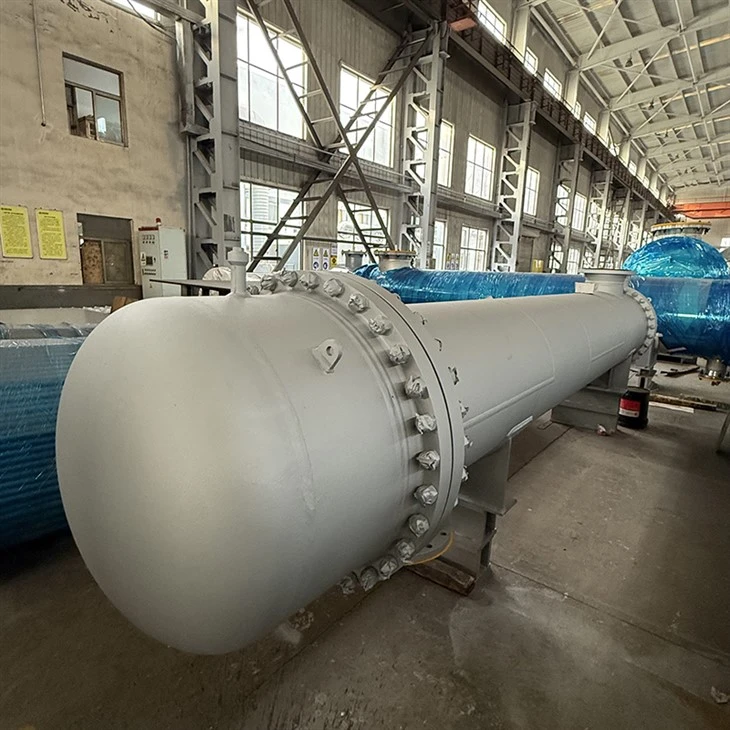
Our company offers a wide range of high - quality sulfur condensers, including Cr - Mo Float Head Exchanger, Corrosion Resistant Floating Head Exchanger, Rod Baffles Float Heat Exchanger, Stainless Steel Floating Head Exchanger, and High Flux Tube Float Exchanger. These exchangers are designed to meet the diverse needs of different industries and ensure efficient sulfur condensation.
2. Pre - operation Safety Checks
Inspection of the Equipment
Before starting the sulfur condenser, a thorough inspection of the equipment is necessary. Check for any signs of damage, such as cracks, leaks, or corrosion in the tubes, shells, and connections. Ensure that all valves, gauges, and control systems are in good working condition. Any faulty components should be repaired or replaced immediately to prevent potential safety hazards.
Verification of Operating Conditions
Verify that the operating conditions, such as temperature, pressure, and flow rate, are within the specified limits of the sulfur condenser. Incorrect operating conditions can lead to equipment failure, overheating, or even explosion. Refer to the equipment manual for the recommended operating parameters and make necessary adjustments.
Testing of Safety Devices
Test all safety devices, including pressure relief valves, temperature sensors, and emergency shutdown systems. These devices are crucial for protecting the equipment and personnel in case of an emergency. Ensure that they are functioning properly and calibrated according to the manufacturer's instructions.
3. Personal Protective Equipment (PPE)
Respiratory Protection
Sulfur vapor can be harmful if inhaled. Workers should wear appropriate respiratory protection, such as respirators with sulfur - specific filters. This is especially important when working in areas with high sulfur vapor concentrations or during maintenance activities.
Eye and Face Protection
Wear safety goggles or face shields to protect the eyes and face from sulfur splashes and vapors. Sulfur can cause irritation and damage to the eyes, so proper eye protection is essential.
Hand and Body Protection
Use heat - resistant gloves to protect the hands from hot surfaces and potential sulfur burns. Workers should also wear protective clothing, such as coveralls and aprons, to prevent sulfur from coming into contact with the skin.
4. Operating Safety Precautions
Temperature and Pressure Control
Maintain proper temperature and pressure control during the operation of the sulfur condenser. Sudden changes in temperature or pressure can cause thermal stress, leading to equipment failure. Use temperature and pressure sensors to monitor the conditions and adjust the controls accordingly.
Flow Rate Management
Ensure that the flow rate of the sulfur vapor and the cooling medium is within the recommended range. An improper flow rate can affect the condensation efficiency and may cause blockages or other operational problems.
Monitoring of Condensate Quality
Regularly monitor the quality of the condensed sulfur. Any signs of impurities or abnormal properties may indicate a problem with the condenser or the upstream processes. Take appropriate actions, such as adjusting the operating conditions or conducting maintenance, to ensure the quality of the condensate.
5. Maintenance and Cleaning
Regular Maintenance
Schedule regular maintenance for the sulfur condenser to prevent equipment failure and ensure its long - term performance. This includes activities such as tube cleaning, inspection of seals and gaskets, and calibration of sensors. Follow the manufacturer's maintenance schedule and procedures.
Cleaning Procedures
Clean the sulfur condenser periodically to remove sulfur deposits and other contaminants. Use appropriate cleaning agents and methods to avoid damage to the equipment. When cleaning, follow strict safety procedures to prevent exposure to sulfur and other hazardous substances.
6. Emergency Response
Emergency Shutdown
In case of an emergency, such as a leak, overheating, or pressure surge, have a well - defined emergency shutdown procedure in place. All workers should be trained on how to initiate the emergency shutdown and evacuate the area safely.
Leak Response
If a sulfur leak occurs, immediately isolate the affected area and stop the flow of sulfur vapor. Use appropriate personal protective equipment to contain the leak and clean up the spilled sulfur. Have a spill response plan and the necessary equipment, such as absorbents and neutralizing agents, readily available.
7. Training and Education
Operator Training
Provide comprehensive training to operators on the proper use, maintenance, and safety procedures of the sulfur condenser. Training should include theoretical knowledge, practical demonstrations, and emergency response drills. Operators should be able to recognize potential safety hazards and take appropriate actions.
Safety Awareness
Promote safety awareness among all workers involved in the operation of the sulfur condenser. Conduct regular safety meetings and training sessions to keep employees informed about the latest safety regulations and best practices.
8. Contact for Purchase and Consultation
If you are in the market for a high - quality sulfur condenser or need more information about our products and safety guidelines, we encourage you to contact us. Our team of experts is ready to assist you in selecting the right condenser for your specific needs and providing detailed information on safety precautions and maintenance.

References
- "Industrial Heat Exchangers: Selection, Design, and Construction" by E. U. Schlunder
- "Safety in Chemical Processes" by Trevor Kletz
In conclusion, the safe use of a sulfur condenser requires a combination of proper equipment design, pre - operation checks, personal protective equipment, operating safety precautions, maintenance, emergency response, and training. By following these safety precautions, you can ensure the efficient and safe operation of your sulfur condenser and protect the well - being of your workers and the environment.